Reading

Reading list

Thirty-five books for anyone who is starting out in classics

The list has fifteen ancient texts, ten modern books about the ancient world, and ten books on Greek and Roman art. I have marked which ones I have read, which ones I am in the middle of, and which ones I plan to read next.

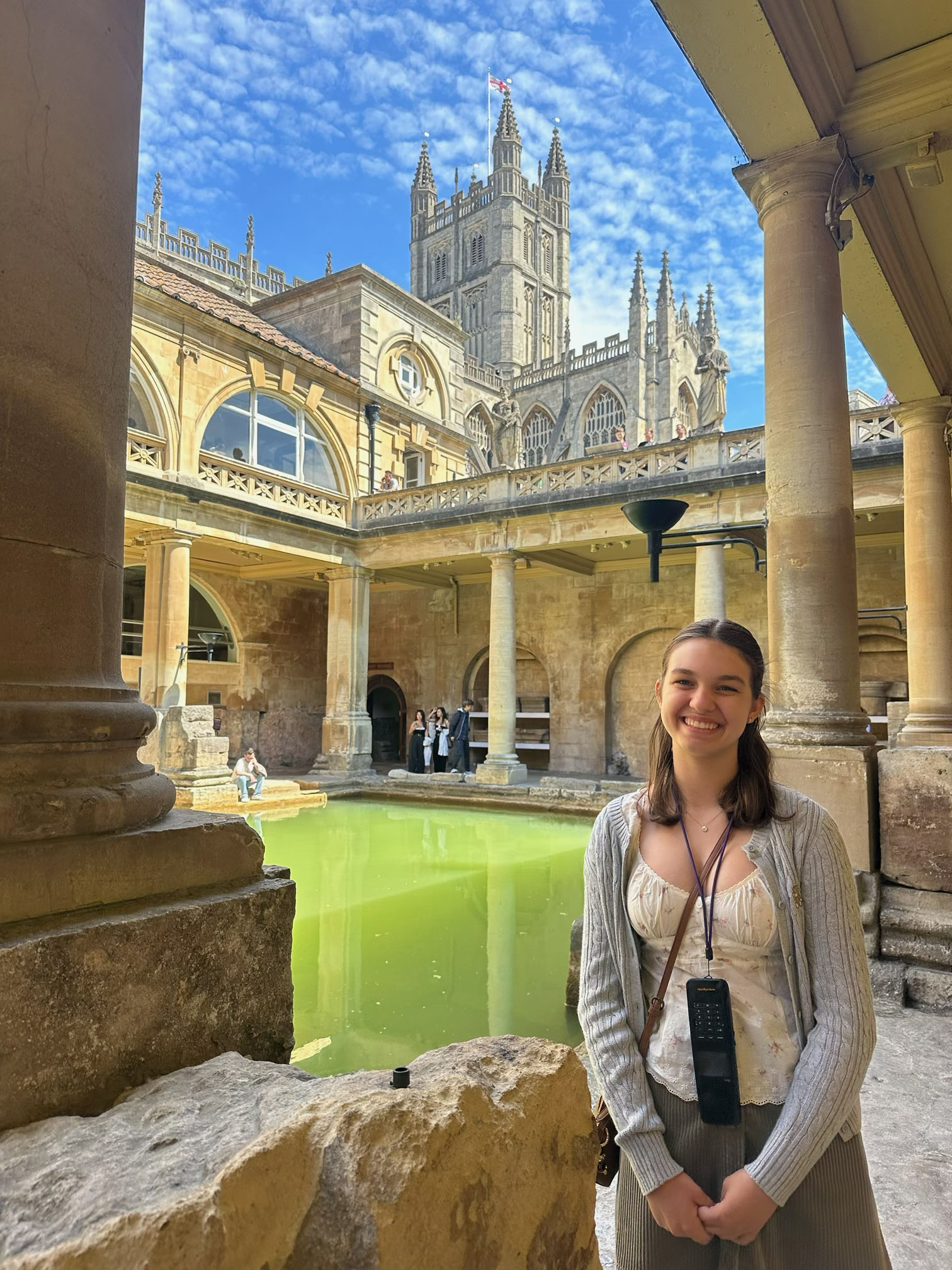
Victoria beside the Great Bath at Bath

Ancient texts

These are the ancient sources themselves. Translations matter, so I have named the ones I use. The titles link to Amazon.

1

The IliadHomer

Emily Wilson or Robert Fagles translation

The Iliad covers the last weeks of the Trojan War. Achilles quarrels with Agamemnon and refuses to fight, and his friend Patroclus is killed in his place. Achilles then kills Hector in revenge. The poem ends with Hector’s funeral, not with the fall of Troy. It is about anger and grief more than fighting. Book 24, where Achilles and Priam sit together, is my favorite scene in Greek literature.

Read
2

The OdysseyHomer

Emily Wilson translation

Odysseus takes ten years to get home from Troy. The first half of the poem is his travels, including the Cyclops, Circe, the underworld, and the Sirens. The second half is his return to Ithaca in disguise and the killing of the suitors. Penelope and Telemachus get as much attention as he does. The recognition scenes with the dog, the scar, and the bed are the ones I go back and reread.

Read
3

Theogony and Works and DaysHesiod

These are two short poems. The Theogony is the family tree of the gods, from Chaos to Zeus, and it explains the relationships that other writers assume you already know. Works and Days is advice to Hesiod’s brother about farming, justice, and hard work, and it includes the myth of Pandora and the five ages of man.

Reading
4

The OresteiaAeschylus

Three plays about a family whose members keep killing each other until a court is created to end the cycle.

Next
5

Oedipus the King and AntigoneSophocles

Oedipus is the king of Thebes. He investigates a plague and discovers that he himself killed his father and married his mother without knowing it. Antigone, his daughter, buries her brother against the king’s orders and is sentenced to death. Both plays are about people who do what they believe is right and are destroyed for it.

Read
6

Medea and The BacchaeEuripides

Euripides gives the women and the gods a chance to speak. Medea is the play that the Pasolini film is based on.

Next
7

The HistoriesHerodotus

Herodotus explains the wars between Greece and Persia, but he spends most of the book on the customs, geography, and stories of every people involved, including Egypt, Scythia, and Babylon. He tells you when he does not believe something. It is the first history book, and it is also a travel book.

Reading
8

History of the Peloponnesian WarThucydides

This is the story of Athens against Sparta from 431 to 404 BC, written by an Athenian general who fought in the war and was exiled. He leaves out the gods and explains events through politics and human nature. The plague in Athens, Pericles’ funeral speech, and the Melian dialogue are the parts to read first.

Reading
9

The Symposium and ApologyPlato

One is a dinner party conversation about love, and the other is Socrates defending himself at his trial. Both are short.

Next
10

The fragmentsSappho

Anne Carson, If Not, Winter

Sappho wrote nine books of poems around 600 BC. Only one poem survives complete. The rest are fragments quoted by other writers or found on papyrus. Anne Carson’s translation prints them with brackets showing where the text is missing, so you can see exactly how much has been lost.

Read
11

The AeneidVirgil

Sarah Ruden or Shadi Bartsch translation

Aeneas escapes the fall of Troy, and the gods tell him to found a new city in Italy. He stops in Carthage, where Queen Dido falls in love with him, and then he leaves her. He visits the underworld and then fights a war in Italy. Virgil wrote the poem for Augustus as the origin story of Rome. Book 4, the one with Dido, is the part I remember most.

Read
12

MetamorphosesOvid

Fifteen books of myths, and every one involves someone changing shape: Daphne into a laurel tree, Arachne into a spider, Narcissus into a flower. Ovid connects them into one long poem that runs from the creation of the world to Julius Caesar becoming a star. Most of the versions of these stories that people know today come from this book.

Read
13

The Early History of RomeLivy

Books 1–5

The first five books of Livy’s history, from Aeneas to the sack of Rome by the Gauls in 390 BC. It covers Romulus and Remus, the seven kings, the founding of the Republic, and the early wars. Livy admits that most of it is legend, but he tells it anyway because it explains what the Romans believed about themselves.

Read
14

The AnnalsTacitus

A history of the emperors from Tiberius to Nero, written by an author who was very critical of them.

Next
15

The Twelve CaesarsSuetonius

Biographies of Julius Caesar and the first eleven emperors, ending with Domitian. Suetonius worked in the imperial archives and had access to letters and records. He covers each man’s family, career, appearance, habits, and death, and he includes the gossip along with the facts.

Read

About the ancient world

These are modern books that explain what the ancient sources leave out.

16

SPQRMary Beard

A History of Ancient Rome

One thousand years of Roman history in one book, written by the historian who explains it most clearly.

Read
17

The Classical WorldRobin Lane Fox

Greece and Rome together, from Homer to Hadrian.

Next
20

CirceMadeline Miller

This is a novel, not a source, but it is the book that gets most people interested in the subject, and it is very good.

Read
21

The Song of AchillesMadeline Miller

The Iliad told from the point of view of Patroclus. Read it after Homer, not instead of Homer. The last fifty pages are very emotional.

Read
22

MythosStephen Fry

The Greek myths from the beginning: chaos, the Titans, Zeus, and the first humans. Fry tells them in a relaxed, conversational way. These books are fantastic, and they helped me get top marks on the National Junior Classical League exams.

Read
23

HeroesStephen Fry

Perseus, Herakles, Jason, Theseus, and the other heroes. This is the second book in the series, and it has the most monsters.

Read
24

TroyStephen Fry

The whole Trojan War, from the golden apple to the fall of the city. It is a good way to see how the Iliad fits into the bigger story.

Read
25

OdysseyStephen Fry

The fourth book in the series. It covers Odysseus getting home, told in the same plain style as the others.

Greek and Roman art

These books cover sculpture, vases, painting, and buildings. They are the books I relied on for the museum pages.

26

Greek ArtJohn Boardman

World of Art

This is the one-volume introduction. If you only read one book on the subject, start here.

Read
27

Greek SculptureNigel Spivey

This book explains how Greek statues went from stiff to lifelike over two hundred years, and why that change happened.

Reading
29

The Art of Vase-Painting in Classical AthensMartin Robertson

This book goes through the vases painter by painter. It is dense, but it is the book that the Vase Explorer is based on.

Reading
31

Classical Art: From Greece to RomeMary Beard and John Henderson

In two hundred pages, this book explains why Roman art is not just a copy of Greek art.

Read
32

Roman ArtNancy H. Ramage and Andrew Ramage

This is the standard textbook. It covers portraits, wall paintings, and every major building.

Next
33

The Power of Images in the Age of AugustusPaul Zanker

This book explains how Augustus used statues, coins, and buildings to make his rule seem natural and permanent. It was useful for my coin project.

Reading
34

Roman PaintingRoger Ling

The Pompeii wall paintings and how they were made.

Next
35

The ParthenonMary Beard

Wonders of the World

The whole history of one building, including the debate over where its sculptures should be kept.

Read