Little Owl Classics
Teaching kids about coins, vases, and myths at the LA Public Library
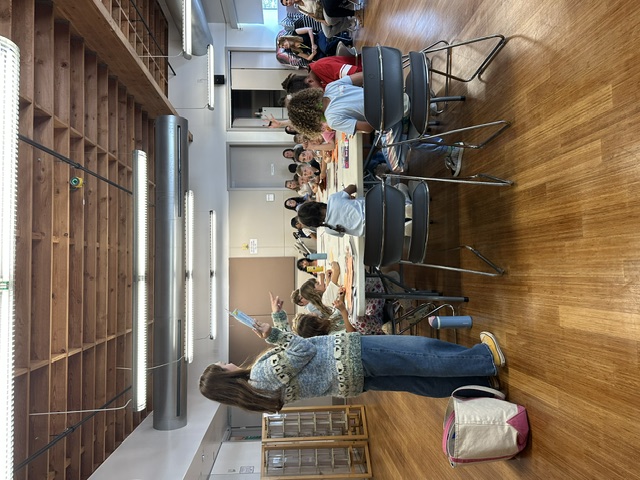
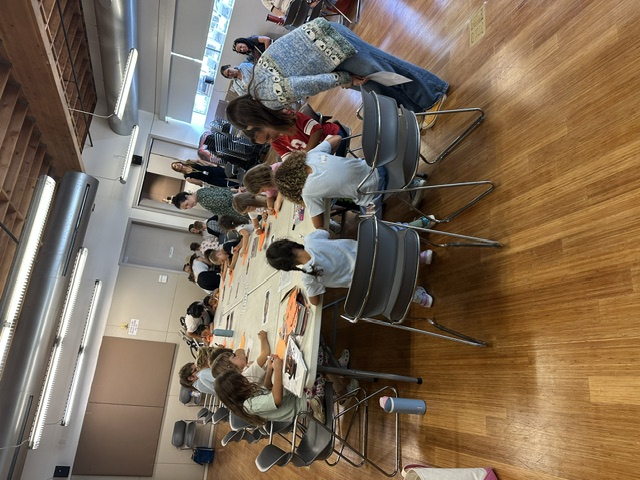
Little Owl Classics is a classics education program I founded in partnership with the Los Angeles Public Library. I teach kids about Roman coins, Greek vases, and mythology, using real objects when I can and good photographs when I cannot. So far, more than thirty students have taken part, from six-year-olds to adults. It is named after the little owl, Athene noctua, the bird on the back of Athenian coins and the companion of Athena.
I started the program because the things I love about the ancient world are easy to love. A coin with an emperor’s face on it, a vase with a story running around it, a myth that explains why there are seasons. Kids understand it immediately. They just need someone to hand them the coin. All of the lesson plans are posted on the website so anyone can use them.
“Thank you, Victoria. Both of your programs were perfect for this branch and for the target audiences. I think both programs were interesting and imaginative, and I really liked how you adapted your discussions according to the audience. I don’t think you have anything to change.”
What we cover
Who is on the front, what is on the back, and how a coin the size of a fingernail can tell you the year it was made. Students handle real late Roman bronzes from my own collection.
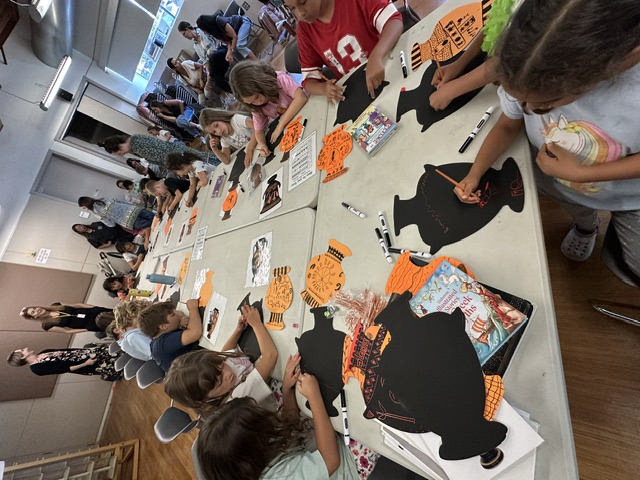
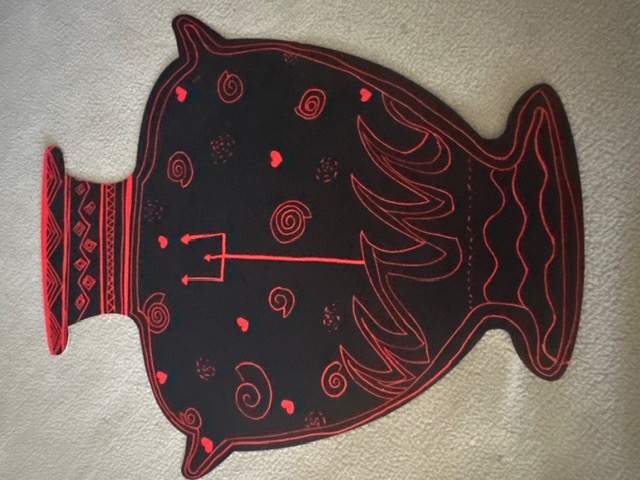
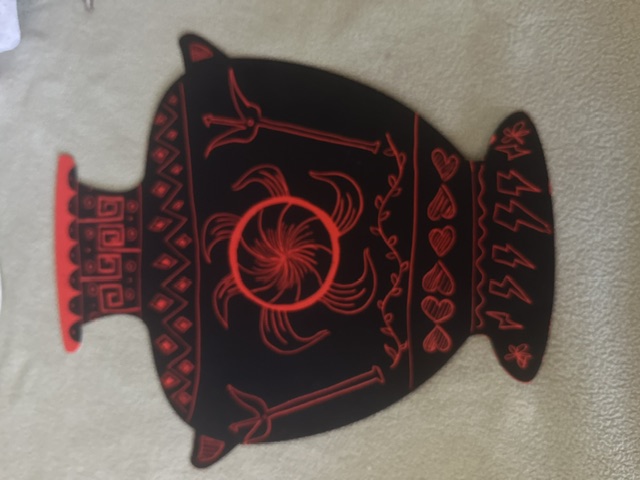
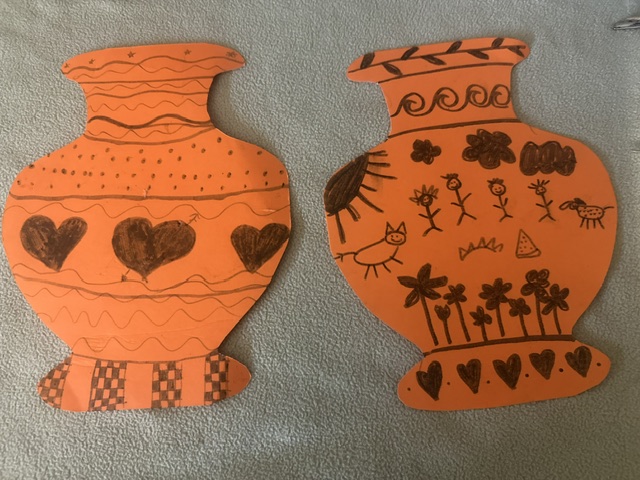
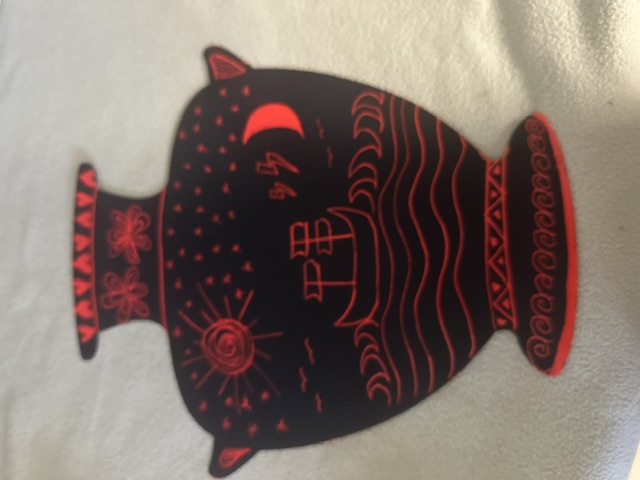
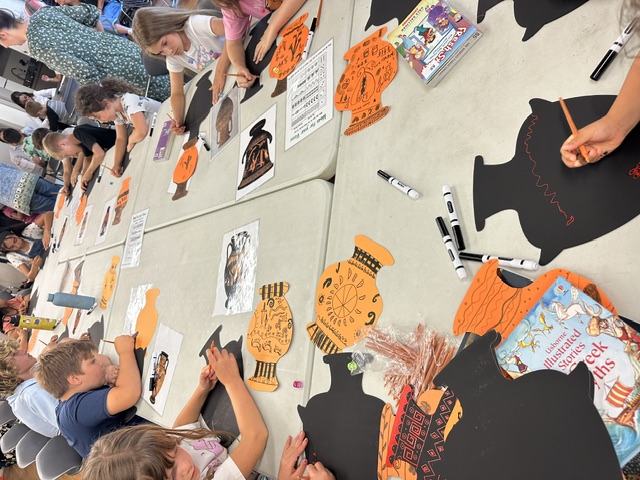
Black-figure and red-figure, what the different shapes were used for, and how to read a story that runs around a pot. Students make their own vases with scratch-off sheets and toothpicks. The images come from the Vase Explorer.
The stories behind the objects: why Athena has an owl, what Herakles is doing with that lion, and who Persephone is.
Everything is written up and posted publicly on the Little Owl website so that other teachers and libraries can use it.
The vase class
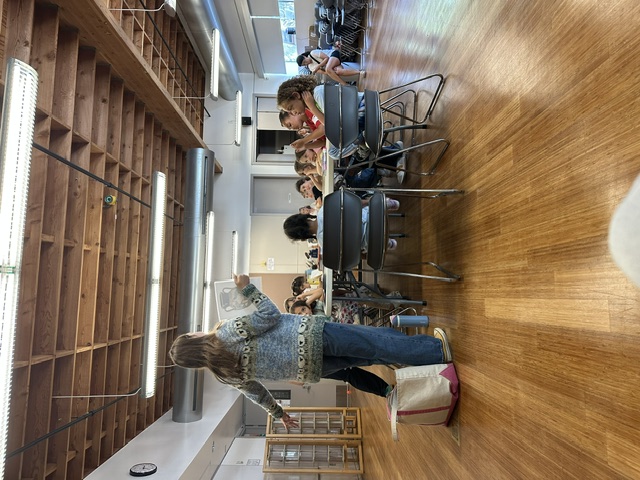
Each student got a scratch-off vase: a black coating with red underneath, the same colors as an Athenian red-figure pot. They scratched their designs in with toothpicks and wooden sticks, so the red figures came out of the black the same way the real painters worked. We looked at vases from the Vase Explorer first, and then they made up their own stories.
The mosaic and coin class
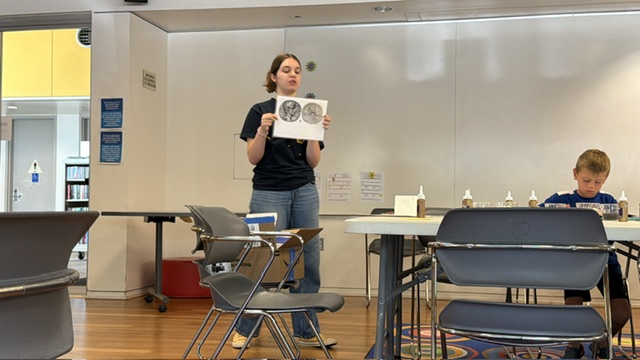
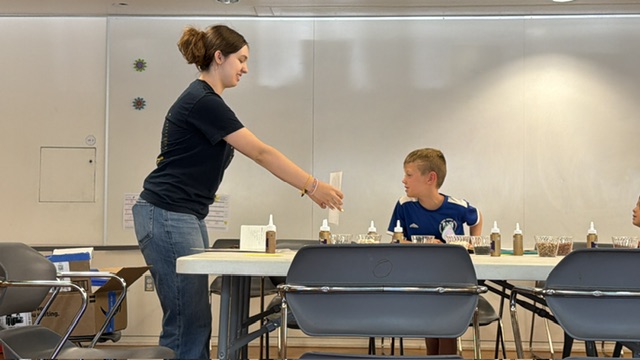
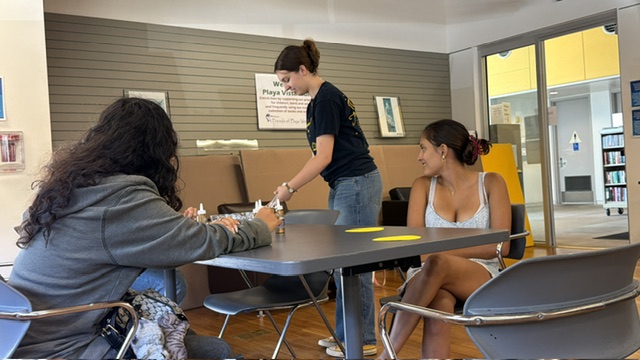
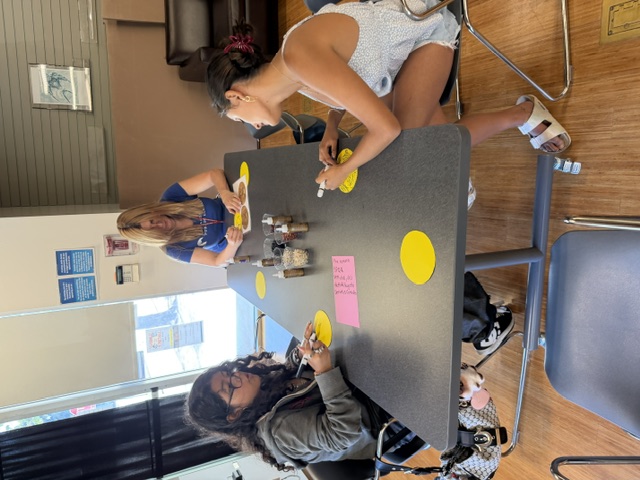
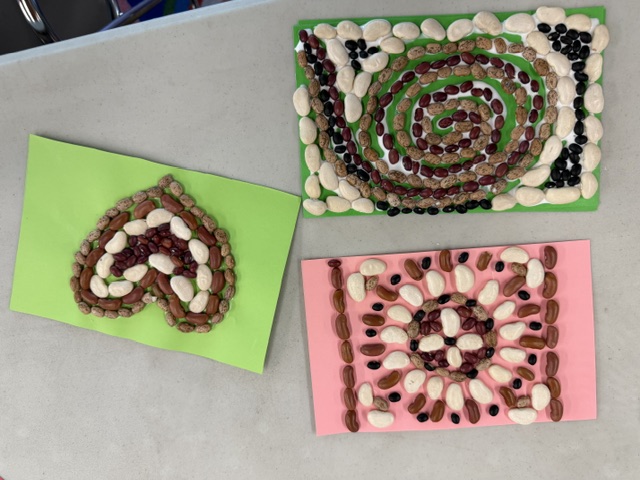
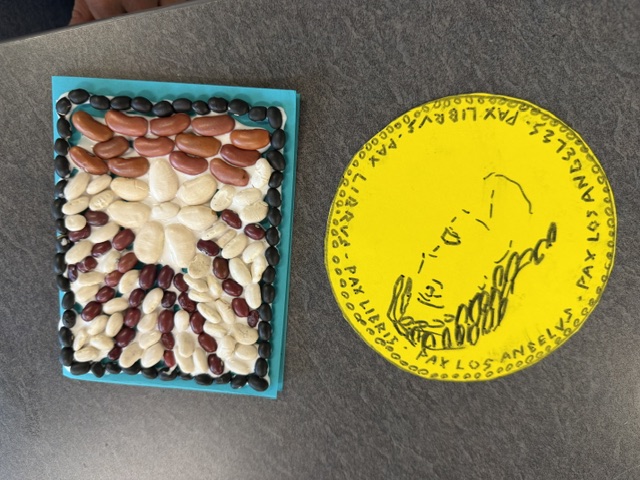
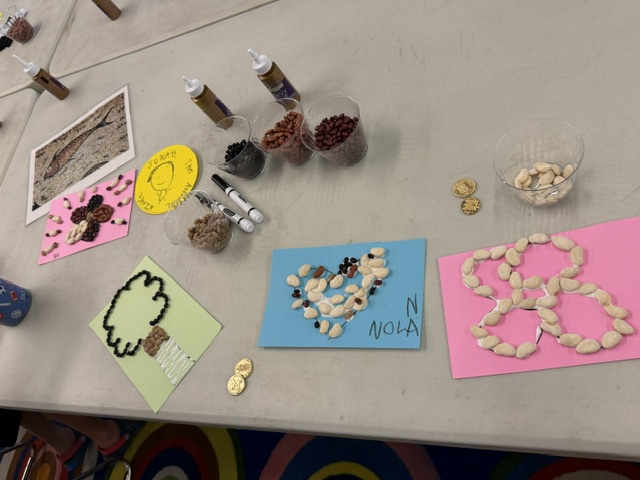
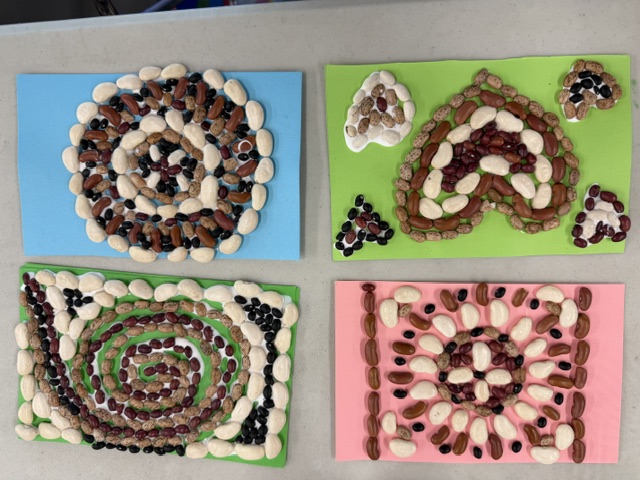
Roman mosaics made of beans, and coins drawn on yellow paper. We started with a photograph of a fish mosaic and a picture of a real Roman coin, and I passed around one of my own bronzes so everyone could hold something 1,700 years old.
Setting up
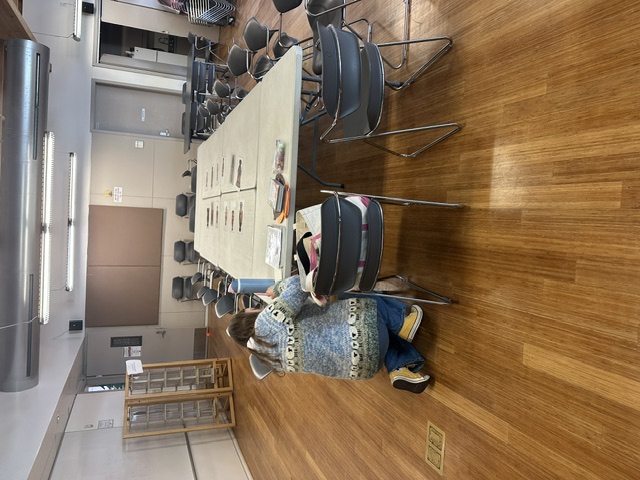
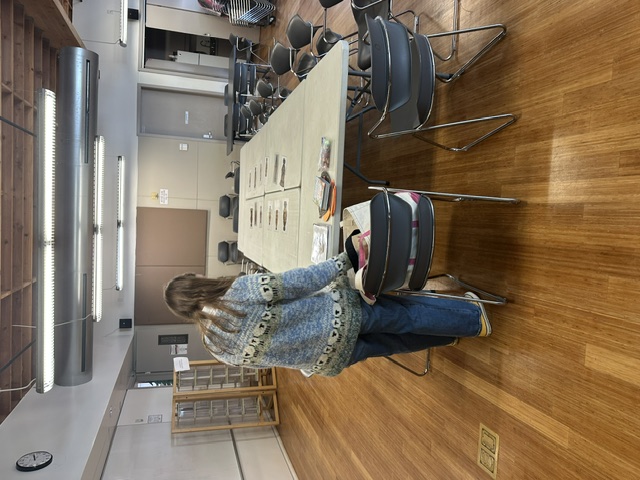
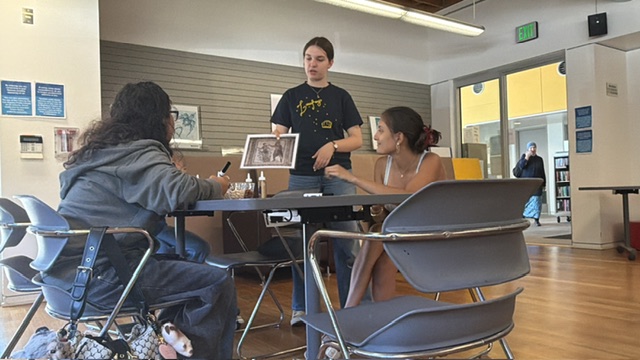
Every class starts with an empty room and a tote bag of supplies.